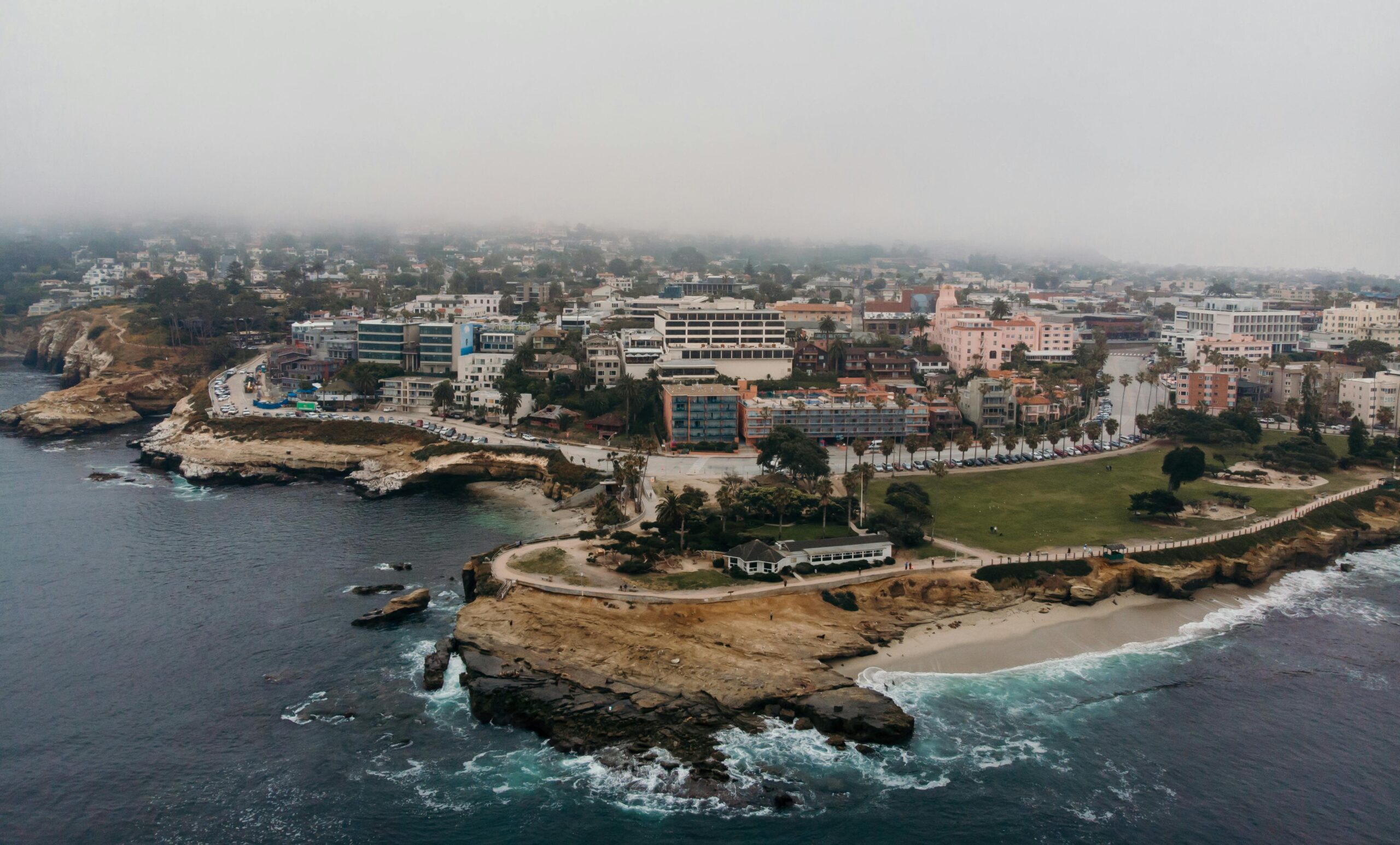

La Jolla is one of those places where the house is never just a house. It’s a point of view, and the landscape either amplifies it or quietly undermines it.
That’s why landscaping here can’t be treated like a universal formula. Within a few blocks, you can move from a Spanish Colonial courtyard home to a Craftsman bungalow to a clean-lined modernist landmark, and each one calls for a different outdoor language.
La Jolla’s Architecture Creates The Brief
The neighborhood’s architectural timeline reads like a compressed history of Southern California taste. Early La Jolla drew heavily from Spanish Colonial and mission influences, with stucco walls, wood columns, and red tile roofs that still set the tone in many parts of the village.
Those Mediterranean roots were joined by Victorian and Arts and Crafts styles as La Jolla developed through the late nineteenth and early twentieth centuries. Craftsman bungalows followed, and then evolved into the smaller beach bungalows that became part of what people now think of as “classic” La Jolla.
Then the modernists arrived, and La Jolla became an unlikely center of architectural innovation. Irving Gill began designing in the area as early as 1907, bringing geometric forms, minimal ornamentation, and a simplicity that still feels contemporary today.
His work is not just a footnote in local history. La Jolla holds one of the highest concentrations of surviving Gill architecture, including landmarks tied to his collaborations with Ellen Browning Scripps.
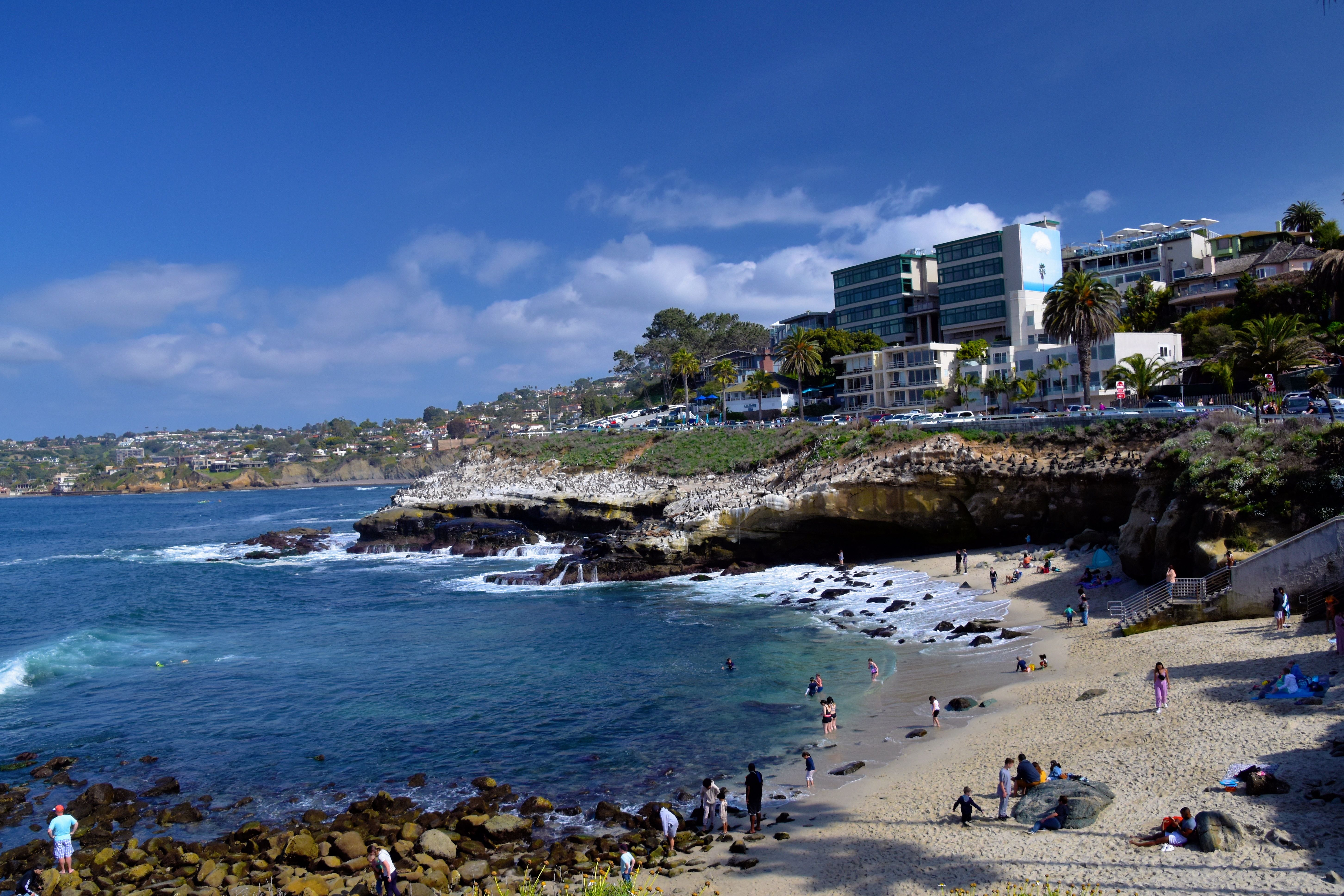
Midcentury modern followed, with notable architects designing homes across the neighborhood in the 1950s and 60s. Many of these properties have since become recognized landmarks, which adds another layer of cultural weight to the built environment.
Today, these eras coexist in a way that feels organic rather than curated. Contemporary homes borrow details from older periods, and even the newest builds often hide modern performance behind a familiar exterior vocabulary.
A Landscape That Doesn’t Match Always Feels Added On
A landscape can be beautiful on its own terms and still feel wrong if it ignores the house. In La Jolla, that mismatch is especially obvious because the neighborhood’s styles sit close together, and your eye has so many reference points.
Each architectural style carries its own cues about how the outdoor space should behave. Spanish Colonial Revival homes often want the garden to feel like a sequence of enclosed rooms, organized around water, shade, and a sense of calm formality.
That language typically includes tiled fountains, stucco or stone walls, and Mediterranean planting that looks lush without feeling chaotic. Lavender, rosemary, olive, and citrus naturally fit that vocabulary, especially when the hardscape echoes terra cotta and warm stone tones.
Midcentury modern asks for a different kind of discipline. Instead of the garden acting like a separate romantic world, the landscape should extend the home’s geometry outward and feel like a continuation of the floor plan.
That usually means fewer plants, chosen more deliberately, with hardscape and structure doing more of the visual work. When it’s done well, the landscaping feels quiet, architectural, and confident rather than busy.
Craftsman homes sit between those poles, with a preference for natural materials and an intentional informality. The right landscape feels handmade, grounded, and welcoming, with plantings and stonework that echo the home’s honest, tactile detailing.
This is the difference between landscaping that looks “installed” and landscaping that feels like it belongs. La Jolla rewards designers who can read a house first and then choose the outdoor vocabulary that makes the architecture feel complete.
The La Jolla Variables You Can’t Design Around
Even when the aesthetic direction is clear, La Jolla brings a set of practical constraints that shape what works and how quickly it can happen. Coastal conditions, topography, and regulation are not background details here, they are part of the design brief.
Salt air is one of the quiet decision-makers in the coastal zone. Many properties near the water deal with salt spray that can damage common landscape plants, which narrows the palette and pushes designers toward salt-tolerant choices that also happen to pair well with Mediterranean and native approaches.
Topography is the other defining factor. Hillsides, bluffs, and canyon edges create incredible views, but they also bring retaining walls, drainage engineering, and erosion control into the core of the project rather than leaving them as secondary concerns.

In a flat neighborhood, a retaining wall can be a hidden technical element. In La Jolla, it is often the most visible feature from the street or neighboring properties, so it has to be designed like architecture, not like infrastructure.
The regulatory layer can also change the project’s rhythm. Properties in the coastal zone may fall under California Coastal Commission oversight, and certain changes can require a Coastal Development Permit, especially when grading, retaining walls, or significant hardscape comes into play.
Homes near historically designated structures can bring additional review considerations. A landscape plan that anticipates these realities from the start is far less likely to get trapped in redesign loops and permitting delays.
Style By Style, What Actually Works
Spanish Colonial Revival landscapes look best when they treat outdoor space as a series of rooms. Courtyards, tiled fountains, gravel or decomposed granite paths, and planting that feels Mediterranean in both scent and structure tends to land naturally.
This is where terracotta, saltillo tile, and wrought-iron accents can feel authentic instead of themed. The goal is not decoration, but continuity between the home’s arches and surfaces and the garden’s textures and thresholds.
Midcentury modern landscapes work when they resist the urge to over-plant. Agave, yucca, and ornamental grasses can be used sparingly as sculptural elements, while concrete, steel, and large-format pavers extend the home’s geometry outward.
The most successful midcentury landscapes also respect the land. Many La Jolla midcentury homes were designed to sit lightly on the terrain, and the landscape feels most honest when it follows that same ethic rather than forcing a fully regraded yard.
Craftsman landscapes feel right when they embrace natural stone and an informal layout that still looks intentional. Native and cottage-style plantings, river rock accents, and a slightly handmade quality mirror the character of the architecture.
The trick is to avoid overly manicured hedging or materials that read as synthetic. A Craftsman bungalow doesn’t want a glossy, showroom landscape, it wants something tactile and lived-in.
Contemporary homes are the most flexible category, which can be both freeing and risky. The guiding principle is coherence with the home’s specific material palette and proportions, especially when the architecture borrows hints from earlier periods.
A contemporary La Jolla home might pair beautifully with warm stone and Mediterranean planting, or it might want a cleaner hardscape and a more restrained, architectural plant palette. The right answer depends on what the house is actually saying.
Why La Jolla Projects Benefit From Real Design Leadership
In La Jolla, the landscape has to do more than look good. It has to interpret architecture, handle coastal conditions, solve topographic complexity, and move through regulatory processes that can reshape a project if they’re not accounted for early.
That’s why projects here benefit from landscape architects who bring design training and local experience rather than treating the work as a standard installation job. The difference between a landscape that feels inevitable and one that feels bolted on usually comes down to whether the project started with design intent or with a materials list.
For homeowners in La Jolla who want a landscape that matches the home and the site, Torrey Pines Landscape Company brings the design sensibility and local knowledge this environment requires. When the landscape speaks the same language as the house, the entire property feels more cohesive, more valuable, and more quietly complete.
Torrey Pines Landscape Company
+18584541433
5560 Eastgate Mall, San Diego, CA 92121